
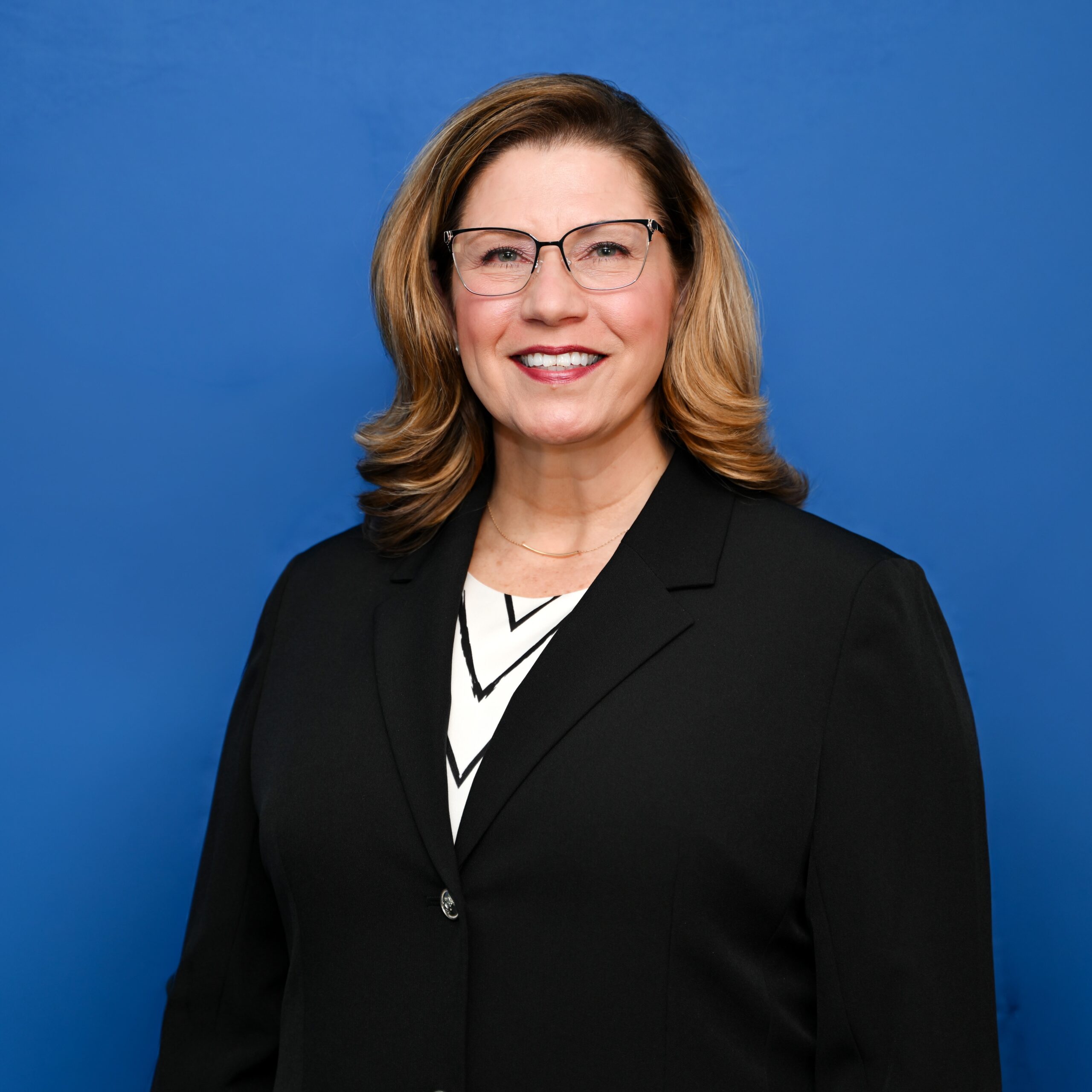
 On March 23, DMACC announced the hiring of Lori Suddick, Ed.D. as DMACC’s next president. Her tenure will begin June 15, 2026.
Suddick follows Rob Denson, who served for 22 years and retired at the end of 2025, and Liang Chee Wee, Ph.D., who has been the interim president since then.
Suddick has 26 years of experience in higher education, including serving as president and chief executive officer of the College of Lake County in Grayslake, Illinois since 2018.
This interview has been edited for length and clarity.
What’s the excitement level like approaching becoming DMACC’s new president?
I think you’re always in the midst of transitioning from one place to another and trying to leave where you are as best as you can, and then creating that mindset for the transition, which is super exciting.
There’s so much that I want to see and absorb, and really get to know the students and all of the faculty and staff that are there. So that is exciting to think about and to become integrated in the community.
I was out there last weekend looking for a place to rent, so that’s nice. It felt really real for me. I haven’t been over there since the interview, so that really gave me a fresh sense of a new adventure ahead.
Why did you choose DMACC, and what about it excites you?
Lots of things are exciting. It combines my two experiences right now. I worked at Northeast Wisconsin Technical College for 19 years, which covered five counties, and now at College of Lake County. CLC is one county, multiple locations, but the population of Lake County is over 700,000. So, when I look at DMACC, it gives me an opportunity to bridge this area of geography, similar to Wisconsin, but with a similar population to Lake County.
This will be the first time I will be in the state capital zone, which is kind of fun to think about being engaged differently. I mean, I am very engaged in legislative activities here, but when you’re in the heart of things, it feels different, so that’s exciting.
I’m very excited because DMACC is a place that’s clearly been working hard at doing the right thing for students, and they’re achieving great things, so its exciting to think about coming in and picking up where they are on the good work that’s been happening. It’s exciting to know I’m coming into a place that’s really trying hard at improving itself.
Do you see having to manage all the campuses that DMACC has to offer as a challenge?
That’s part of my excitement, honestly. Part of the work I do, I really love to design student success and workforce development work very contextual to the communities and students. That’s the heart of community colleges.
I very intentionally work in a community college setting. I’m deeply passionate about the open access mission. So, for me, it’s about going out and really learning these different communities and designing our systems to best support the businesses, students, and communities there.
To me, that’s a good part of the adventure, and I love the opportunity to really get to know a state. I had 12 locations when I worked up in Green Bay, so that feels familiar to me and not overwhelming. It reminds me of a responsibility to make sure that you don’t just become one campus-centric, because then you’re forgetting a big part of who you serve.
When you get to DMACC, how do you plan to learn more about the culture and what things need improvement?
First of all, getting engaged both in the college and outside of the college. I think the smartest thing I can do is operate from the wisdom of the people who are already there and their advisement of where I need to be, and help me understand what happens on campuses, and what the traditions and cultures are. And what are the parts of DMACC that people hold dear and cherish that I need to operate on the advice and recommendations of everyone else?
Sooner than later, I want to get out to all of the locations and have a chance to be with students. I’m really interested in talking to people and hearing their recommendations. I’ve been pretty delighted by people telling me about their Des Moines stories, their Iowa stories, and who their connections are. So, I feel like the linkages will be helpful in that process.
College of Lake County has about 20,000 fewer students than DMACC, so what will that adjustment be like for you?
I think I’d be foolish to say it’s not going to feel different. But it’s on the list of really exciting things. It’s really about the positive impact you can have on people, and that positive impact is on the future trajectory and in building communities.
So, if anything, it makes me feel a deeper sense of responsibility to this work, when you know the reach of the work you’re doing extends through others. Of course, it creates a deeper sense of responsibility for me that the work I do matters. And it touches lives, so don’t take that for granted, ever.
You have said before that mental health counseling is a big deal for you. Why is that, and what’s the plan there?
I’ll want to assess what it is that we are currently doing, and what the reach of the work is. Are we meeting the current demand or not? I don’t want to assume before I come, but beyond the services, are we creating a space or environment in every location where the students can feel that they’re in safe spaces, that they can be their unique selves, and that they are supported in that journey?
I really believe that when you can be living in that true version of yourself and feel good about that, it is the way to the best well-being for any individual. So, it’s not about just the services, but also about how our environment creates the support for that?
How can you be more down-to-earth with students?
I don’t know how to be anything other than who I am. I’m very mindful of the fact that sometimes, when people only know you through your position, it can create a barrier to a relationship.
As a first-generation student myself, I sometimes felt I couldn’t approach people, so I think it’s my responsibility to try to come into spaces and meet students where they are, rather than expecting them to come where I am.
The more opportunities there are for those casual interactions, so it’s not like this president-student thing, but we’re just two people who happen to be in this place in this moment. I can learn from you, you can learn from me. There is something both of us can give in that relationship, and just finding ways that I can operate not in my title, but as a person who’s a community member as well.




Comments